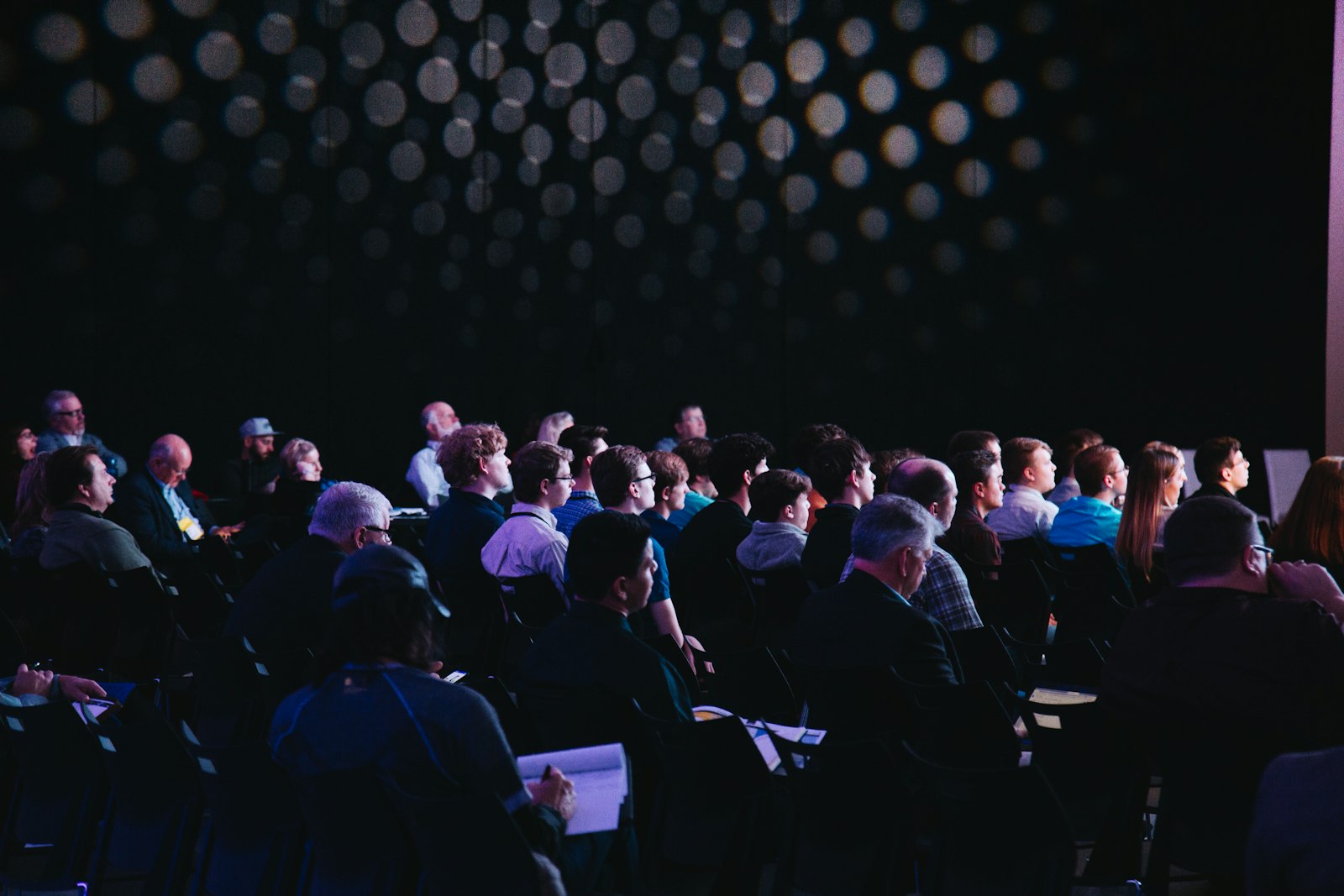
I went to MassBio's partnering summit with a notebook and one question: why do some 300-person events feel intimate and electric, while some 3,000-person events feel like an airport? I left with eleven pages of notes, a cold cup of coffee, and a much clearer picture of what BIOTOLD needs to get right.
The summit ran out of MassBioHub, the council's conference space in Kendall Square — which, if you've never stood in it, is roughly the center of gravity of the global biotech industry. You can throw a stone from there and hit Moderna, Takeda, Novartis, and a dozen companies you've never heard of that will matter enormously in five years. The room held maybe three hundred people. The format leaned toward early-stage and funder partnering. And almost everything about how it was run was a deliberate choice that smaller, focused events make and giant ones can't.
The things that worked were small and unglamorous
Here is what I actually wrote down, in order, as it happened:
- Sessions were 25 minutes, not 50. Just as a topic got interesting, it ended — and the conversation spilled into the hallway instead of dying in a Q&A that ran long. Short sessions don't shortchange the audience. They respect that the best part comes after.
- The coffee was in the middle of the networking floor, not at the back of the session rooms. Sounds trivial. It is not. It meant the entire room had to physically pass through each other to get caffeinated, and you cannot walk past someone twice without eventually saying hello.
- Name badges listed what people do, not just where they work. "Process development, AAV" starts a conversation. "Senior Director" ends one.
- There was a single track for the first half of the day. Everyone shared a common reference point before splitting off, so the hallway conversations had somewhere to start.
None of this is expensive. None of it is clever. It's just the product of organizers who clearly attend their own events and have felt the friction firsthand. At a giant co-located event like Biotech Week Boston, you simply cannot make these choices — the logistics of moving thousands of people forces you into long sessions, distant coffee, and a level of anonymity that quietly kills the chance encounters.
Three hundred people is small enough that you might run into the same stranger twice. That second encounter is where everything actually happens.
What didn't work — and what we'll do differently
It wasn't perfect. The afternoon drifted into back-to-back partnering pitches that started to blur, and by 3 p.m. the energy in the room had visibly dropped. The lesson there is about pacing: a room can only absorb so much polished presentation before it needs something human to wake it back up. The summit also under-used its best asset — the practitioners in the audience — by keeping nearly all the talking up front, on the funder side.
That's exactly the gap BIOTOLD is built around. We're capping our rooms deliberately, putting the coffee where it forces collisions, keeping talks short, and — most importantly — handing the microphone to the people in the seats. The 300-person summit proved that intimacy is a design decision, not an accident of attendance. We're just making that decision on purpose, for the people who usually only get to listen.